Before signing a contract with an EPC contractor, project owners often have similar questions. These usually range from how working with one partner compares to splitting the scope across multiple vendors, to what details are needed before asking for a quotation. This FAQ gathers clear answers so you can select an end-to-end provider with confidence.
What Is an EPC Contractor?
An EPC (Engineering, Procurement, and Construction) contractor is the main partner responsible for delivering industrial construction and engineering systems end-to-end under a single contract. This covers engineering design, equipment and material procurement, and field construction, installation, and system testing ready for operation.
-
How Is It Different from Splitting Up the Work?
An end-to-end service means engaging one contractor to handle engineering, procurement, construction, and testing rather than dividing each stage among separate vendors. This creates a single primary point of accountability and reduces coordination gaps between project teams.
When work is divided, the project owner has to coordinate designers, equipment suppliers, and builders on their own. If drawings do not match site conditions, teams can lose time sorting out who is responsible for the fix. With an end-to-end approach, engineering and construction sit under one responsibility, so issues between civil work and engineering systems can be reviewed and resolved within the same team right away.
What Does an EPC Contractor’s Scope of Work Cover? An EPC scope generally covers engineering design, sourcing machinery and equipment, construction and installation, and testing and handover for operation, with exact project details defined in the contract.
The key to this type of contract is keeping the scope and specifications clear before signing. The more complete the details, the firmer the pricing, so project owners should review the Bill of Quantities (BOQ) carefully before making a decision. A clear scope aligns expectations on both sides and reduces misunderstandings during execution.
-
What Should You Look for to Evaluate an EPC Contractor’s Credibility?
Evaluating a reliable EPC contractor starts with checking reference projects similar to yours, track record across the industry, and how well their services cover everything from design to handover. A trustworthy contractor can explain real, verifiable project experience.
Beyond past projects, check the readiness of their engineering team, engineering licenses and standards, and Health, Safety, and Environment (HSE) management on site. EPC projects involve critical structures and systems that affect safety and long-term project costs.
-
What Information Should You Prepare Before Requesting a Quote?
Preparing to request a quote means gathering your project objective, site location and land details, required capacity or rating, target budget and timeline, and any existing drawings or specifications. Having these details ready helps the contractor assess the scope accurately.
Examples of items to prepare:
- Project purpose and intended operation
- Site location and on-site area details
- Required capacity or output, such as power rating for a substation or solar system
- Target business budget and schedule
- Existing drawings or technical requirements, if available
-
How Does the End-to-End Service Process Work?
The core workflow moves through consultation and scope definition, engineering design, equipment procurement, construction and installation, system testing, and handover for operation, all carried out continuously by one responsible team.
- Joint consultation and scope definition
- Engineering design
- Procurement of machinery, materials, and equipment
- Construction and installation
- Pre-operation system testing and commissioning
- Project handover ready for operation
Because every stage stays with one partner, information from design carries through to the site without getting lost between separate teams.
Stop Coordinating Multiple Contractors. Partner with PWH Thailand. With one party accountable from design to handover, you can focus more on business decisions instead of chasing coordination across teams.
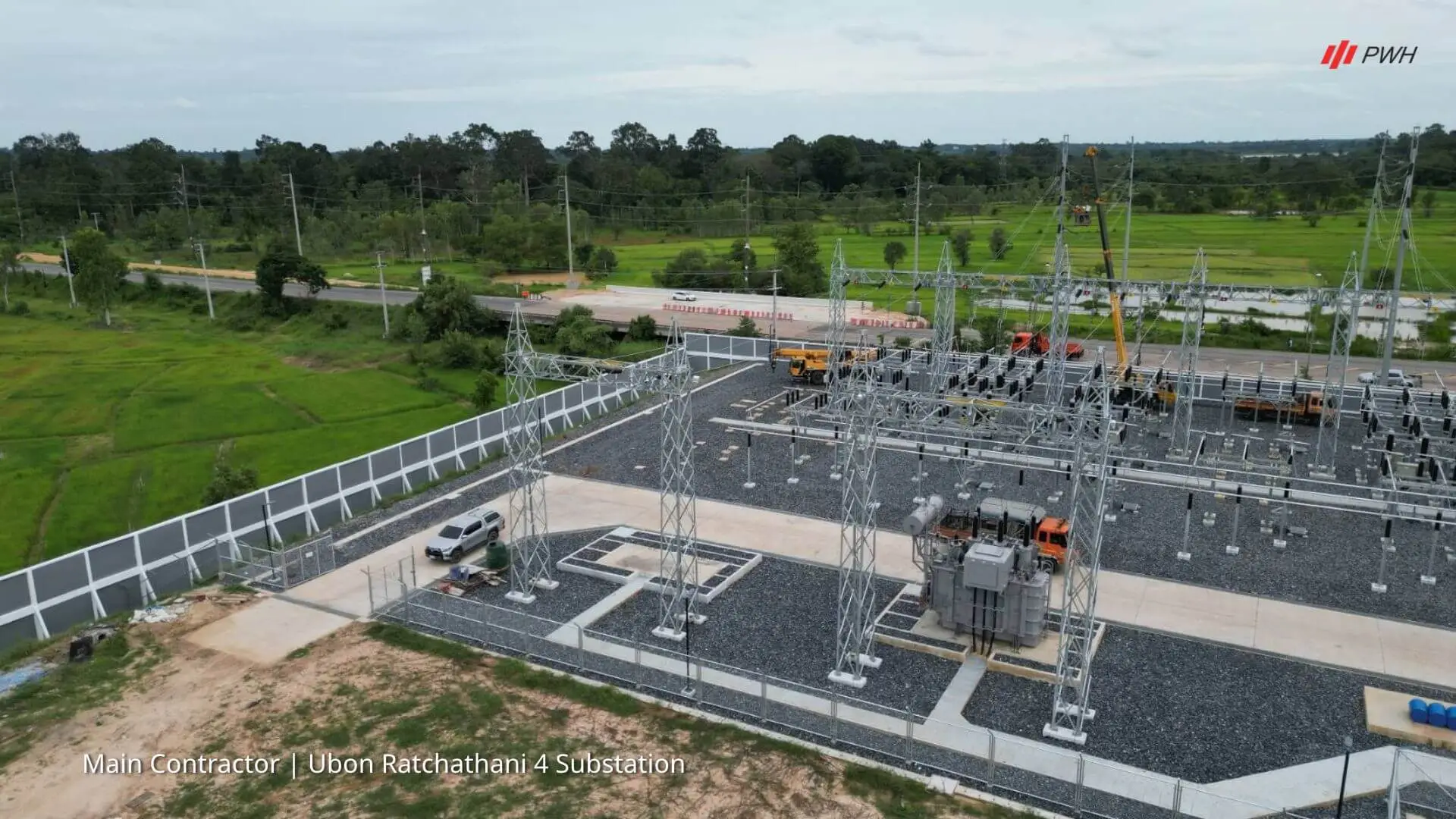
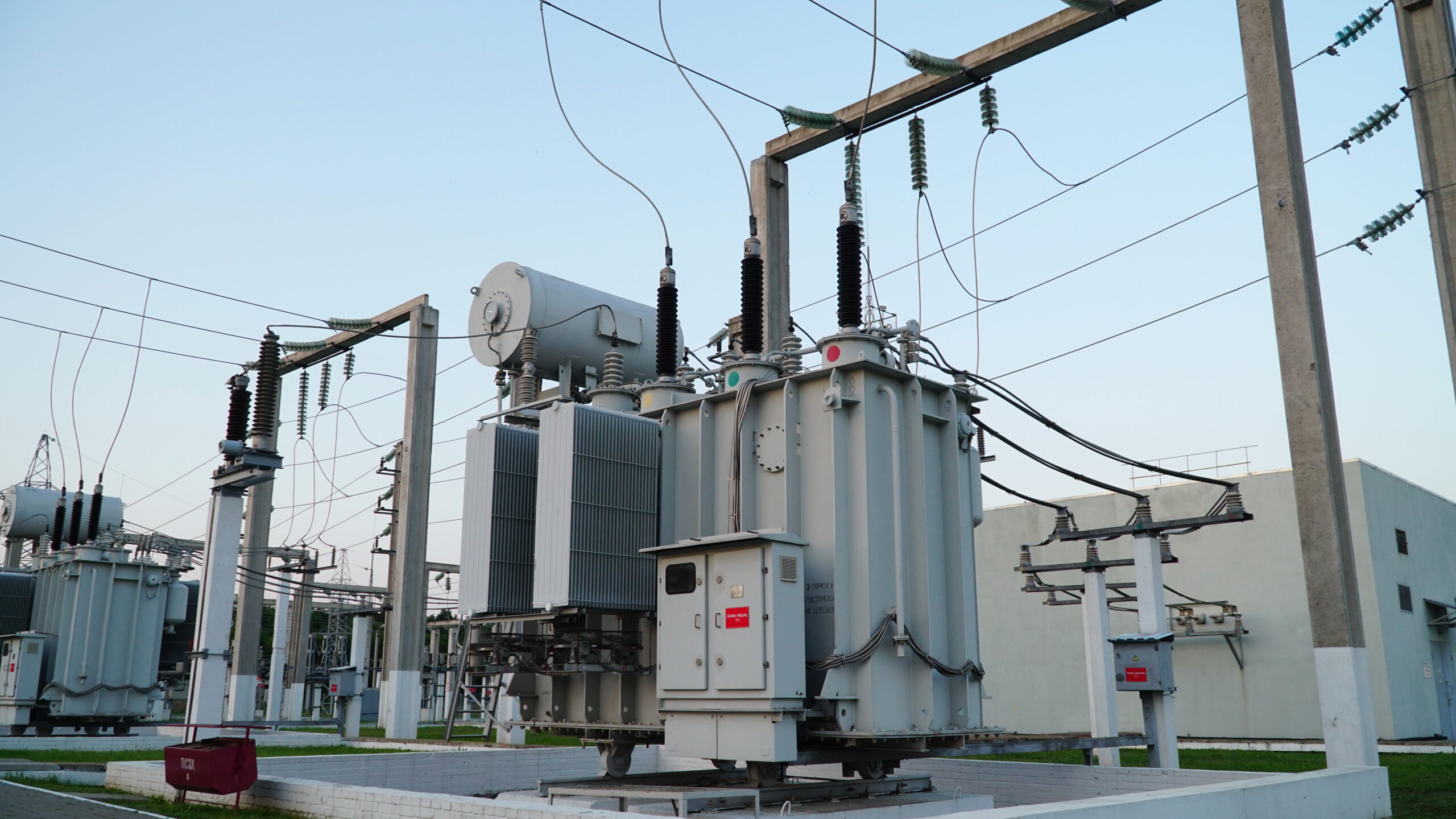
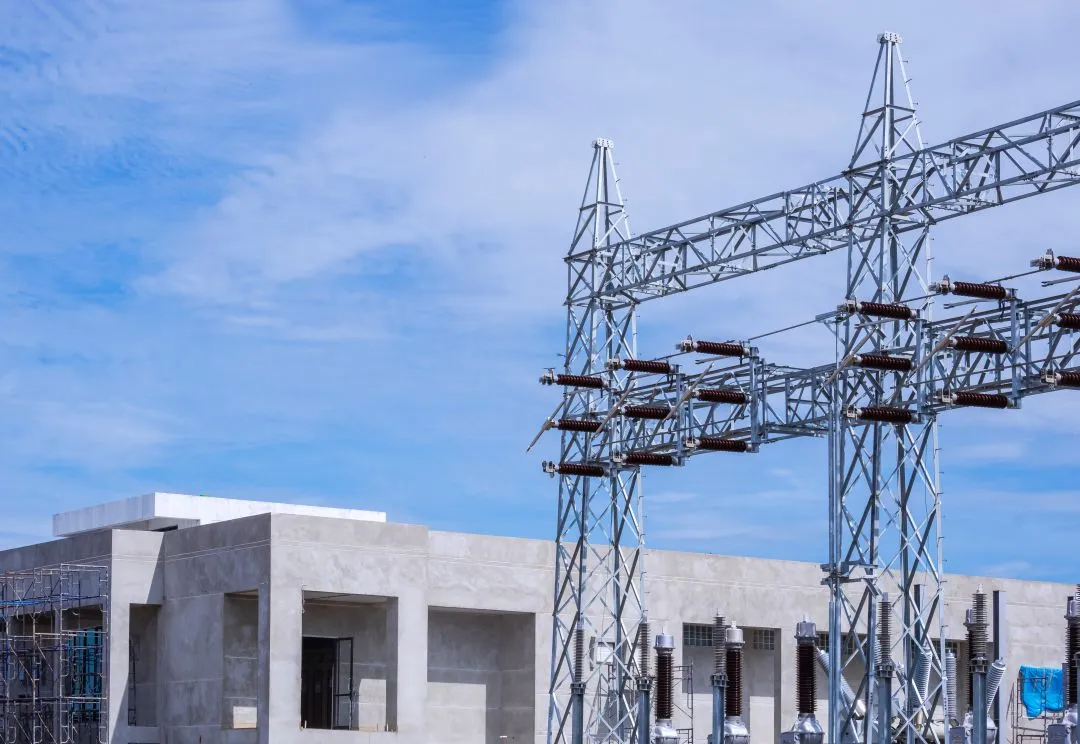
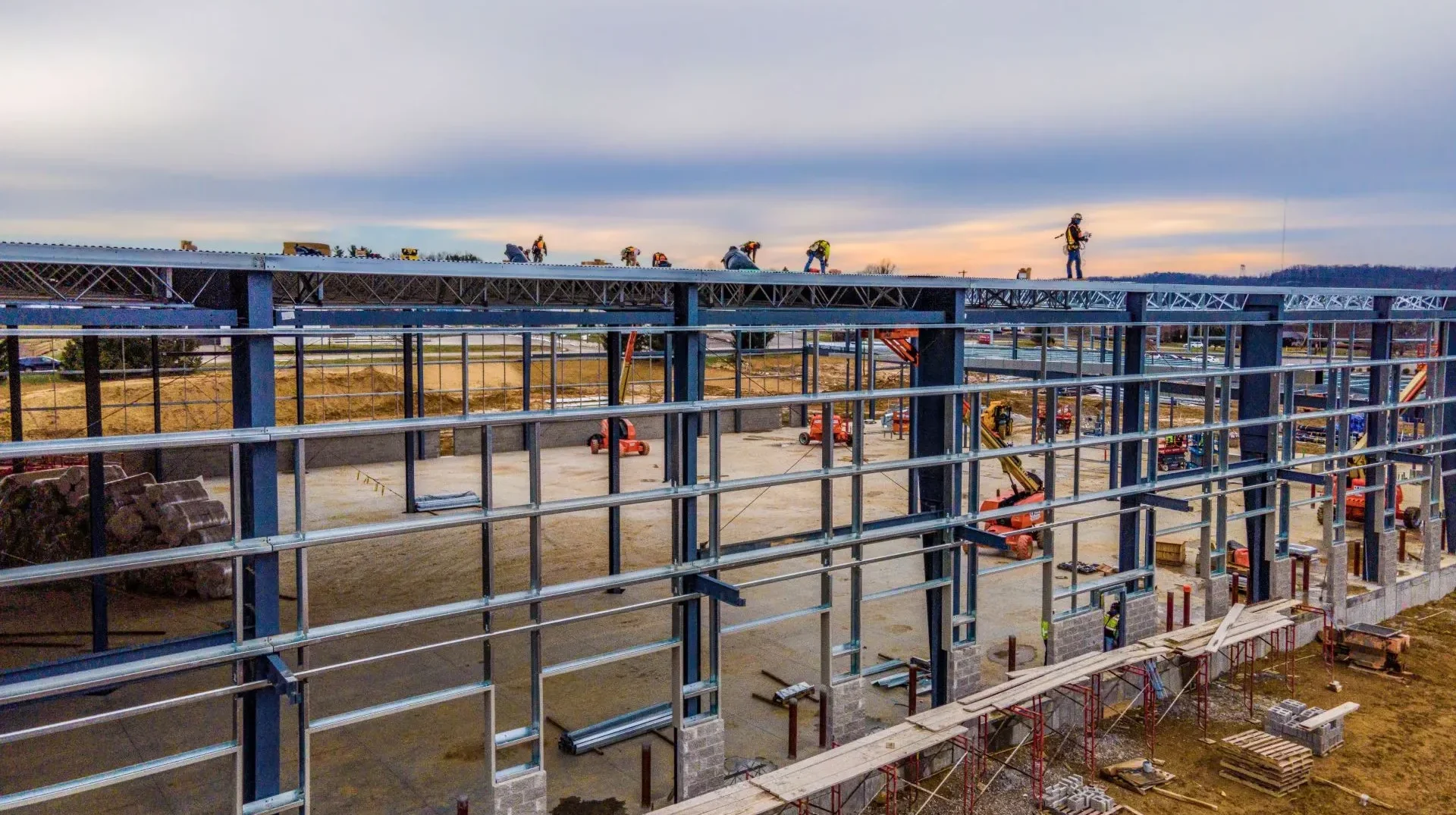
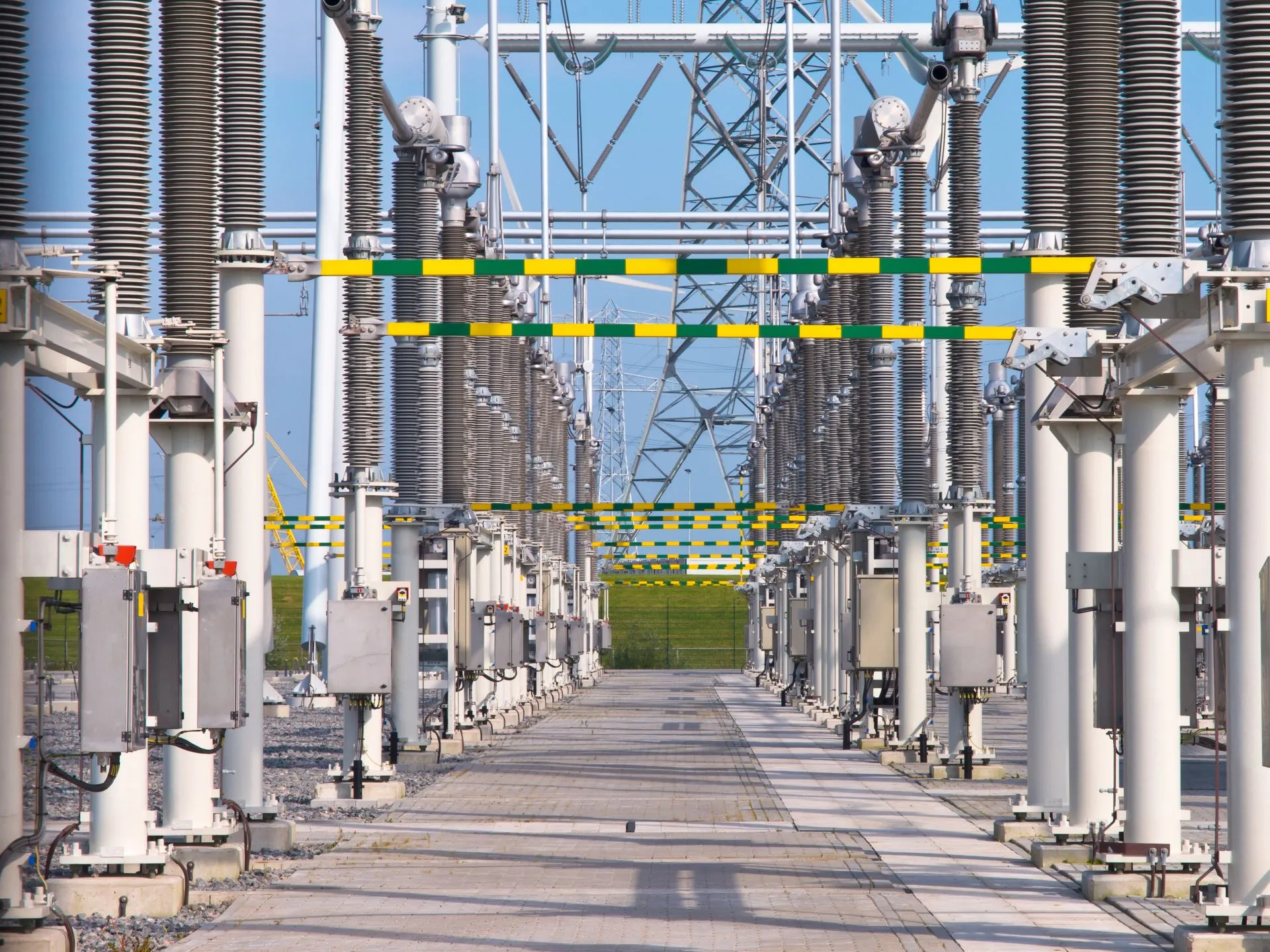
PWH Thailand delivers end-to-end projects covering industrial construction and civil/structural foundations, substations, and industrial solar, including solar farms and solar rooftops, with a single provider.
Founded in 1985, PWH Thailand brings over 40 years of experience built on a joint venture with PHB-Weserhütte A.G. of Germany, alongside additional experience in coal and ash handling systems and high-voltage transmission lines. You can explore past projects on our Past Projects page.
Let’s Talk About Your Substation Project
Consultation is free!
📞 Tel: 02-246-9988
📩 Email: info@pwhthailand.com
🌐 Website: https://pwhthailand.com
🔵 Facebook: PWH Thailand – ผู้เชี่ยวชาญงานก่อสร้าง และพลังงานครบวงจร