Have you ever wondered why substations play such an indispensable role in transmission line systems? How does electrical energy—destined for industrial facilities and residential homes—travel across hundreds of kilometers with minimal energy loss?
Transmission Lines, or high-voltage lines, serve as the backbone of the electrical grid. They act as a massive infrastructure network transporting power generated by power plants to high-voltage Substations. Operating as key Interconnection Points, substations lower the voltage before distributing energy through distribution lines all the way to end-users.
Electricity generated at power stations cannot be fed directly into factories or homes. Because this raw energy carries extreme voltage, direct connection presents severe hazards—including high-risk arc flashes and violent thermal explosions caused by air-gap short circuits. Therefore, “Substations” are crucial for stepping down voltage to safe, usable levels prior to consumption.
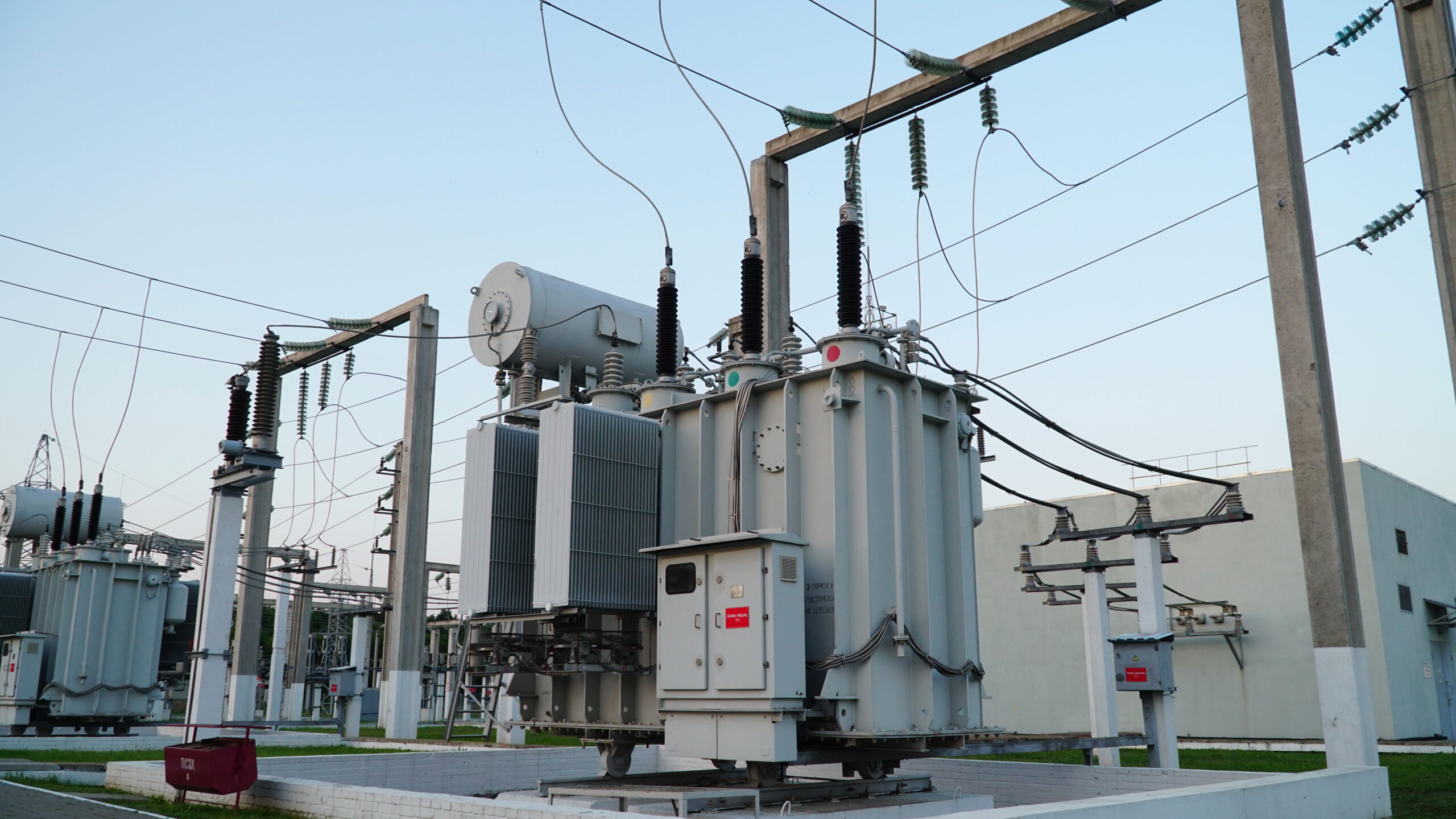
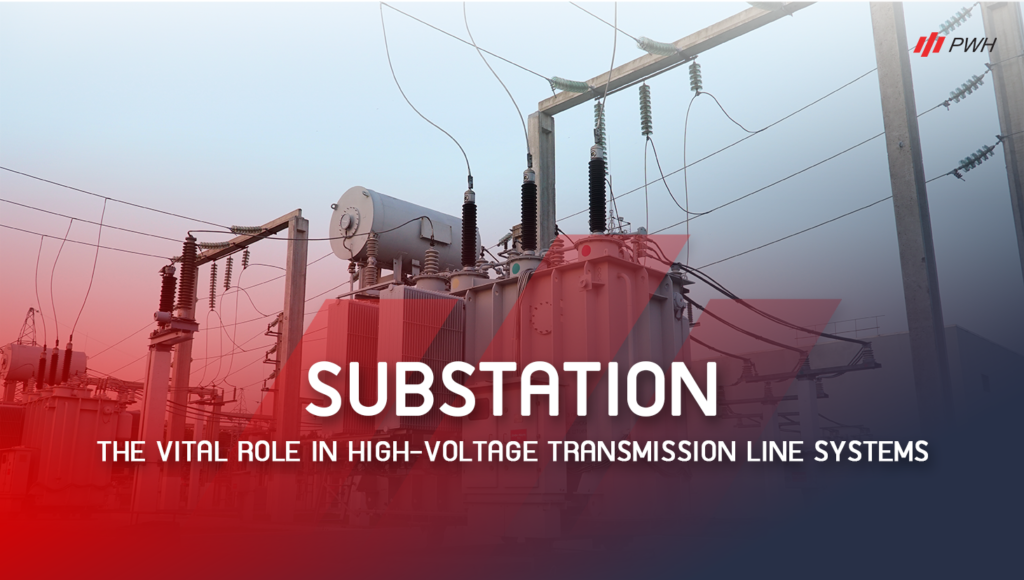
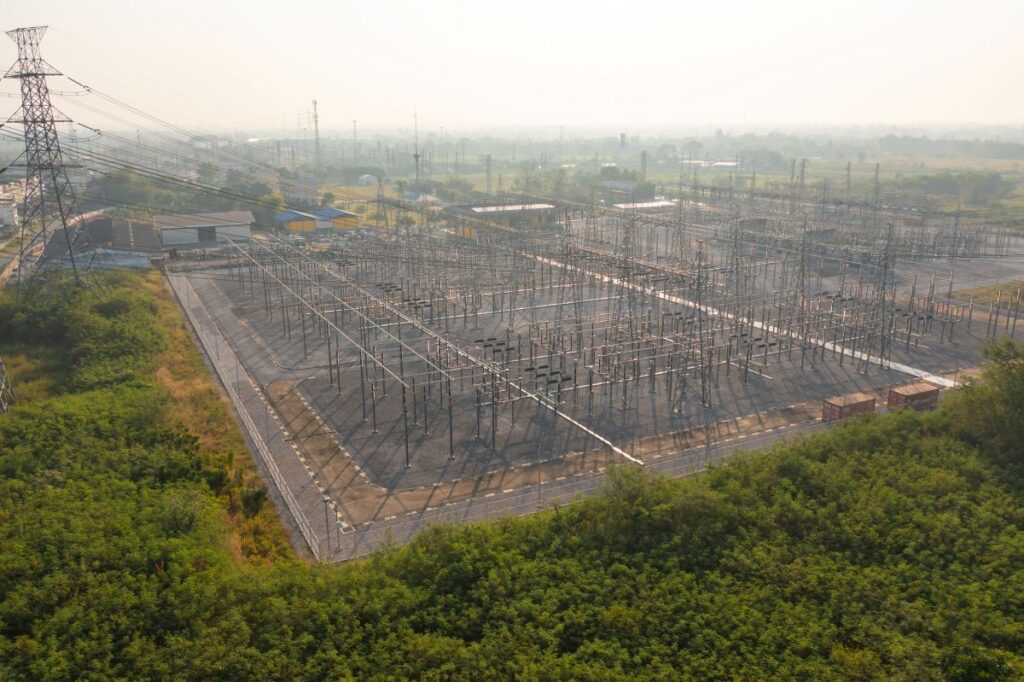
A Substation
Serves as the operational hub of the transmission line network. Its primary function is to step up voltage before long-distance transmission, step down voltage at its destination for safety, and regulate the flow of electricity between power plants and consumers.
It plays a pivotal role in voltage transformation, power distribution control, and system protection. Without substations, high-voltage transmission lines could not safely deliver power to industrial plants or households, posing a direct danger to the general public.
Core Responsibilities of a Substation
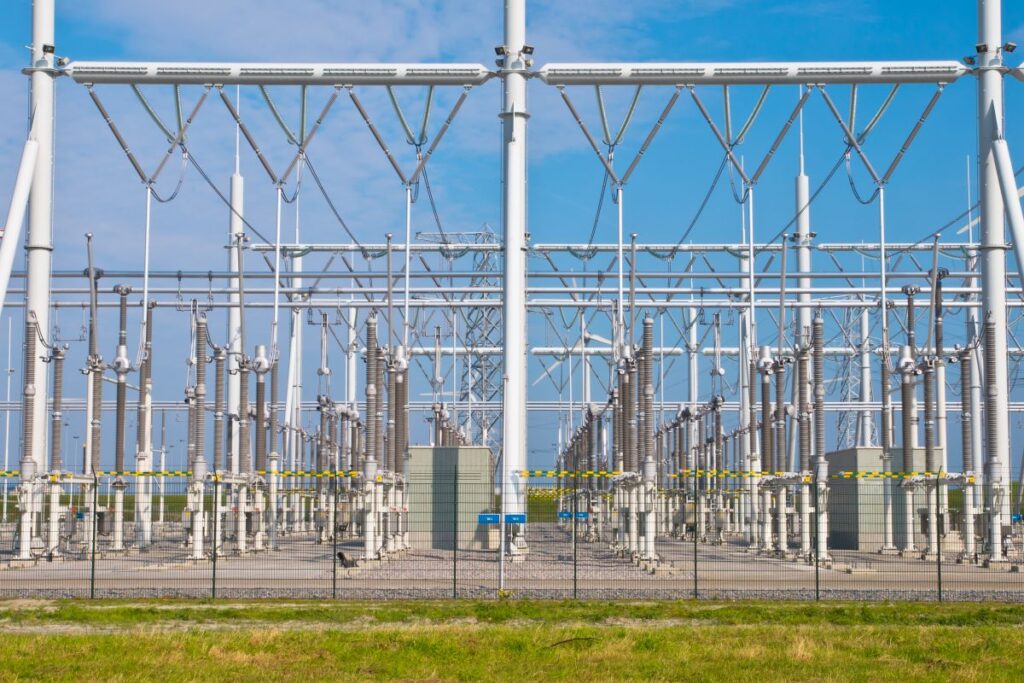
- Voltage Transformation:
Utilizes power transformers to convert voltage—stepping down extra-high grid voltage (such as 115 kV, 230 kV, or 500 kV) to medium-voltage levels (such as 22 kV or 33 kV) for integration into the distribution system, or reducing high transmission voltage to safe, practical levels before supplying homes and industrial facilities. - Switching Operations:
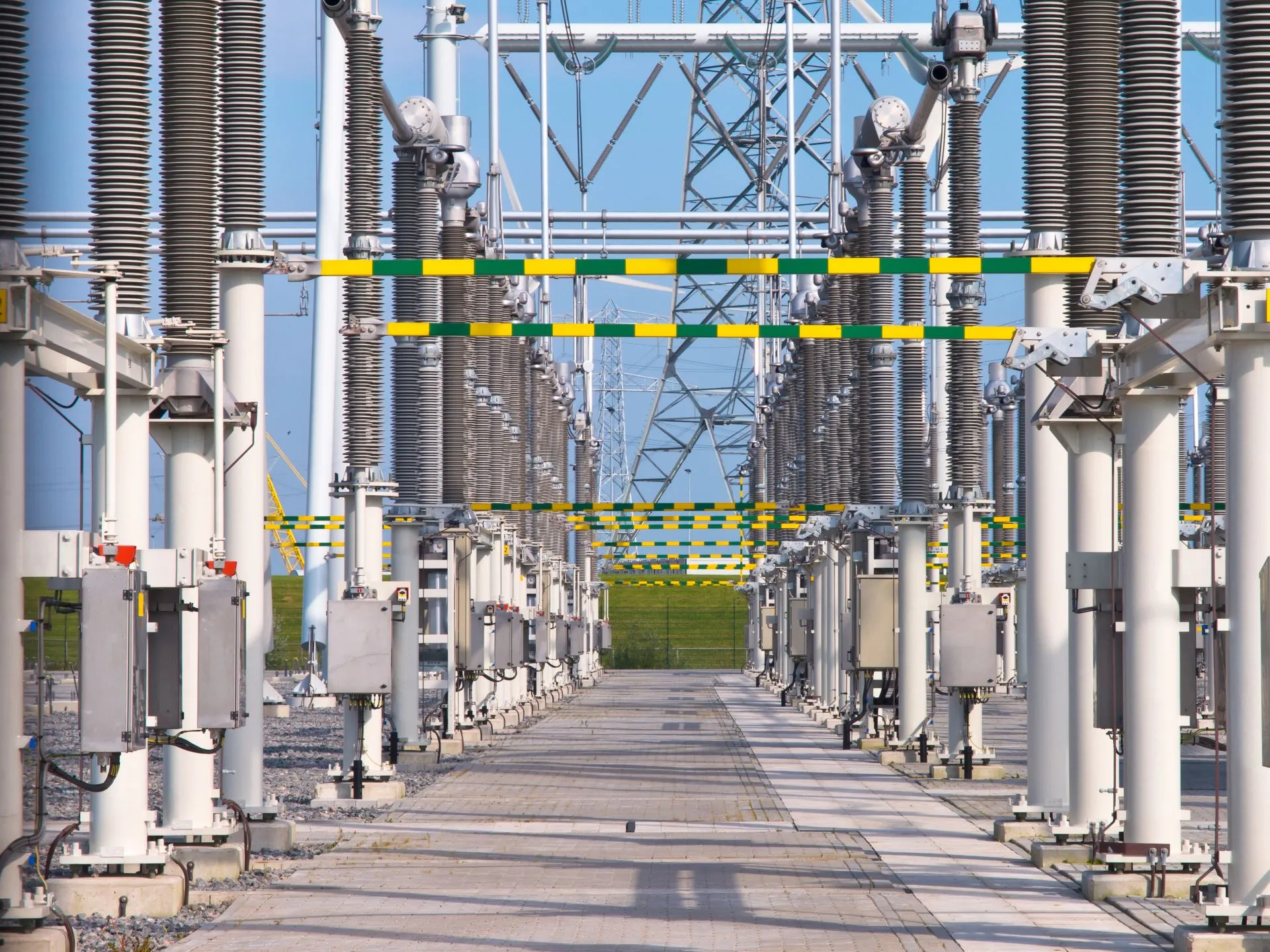
Acts as a central node connecting or isolating multiple transmission lines. This allows grid dispatchers to switch transmission paths, re-route power, or isolate fault-affected sections without triggering a total system blackout. - System Protection & Isolation:
Equipped with protective equipment like circuit breakers and protection relays that automatically trip within milliseconds during short circuits, lightning strikes, or voltage surges, protecting valuable transformers and transmission lines from destruction. - Power Quality Control:
Stabilizes and optimizes power quality across the network. By managing reactive power via devices like capacitor banks or shunt reactors, it prevents end-line voltage sags or surges, maintaining steady voltage and reducing transmission power losses.
Ultimately, a substation stands as an “All-in-One Safety Hub” that protects transmission lines from physical damage while enhancing overall grid stability and efficiency—ensuring power consumers receive low-voltage electricity that is entirely safe for lives and property.
PWH Thailand is ready to serve as your trusted partner for end-to-end EPC solutions.
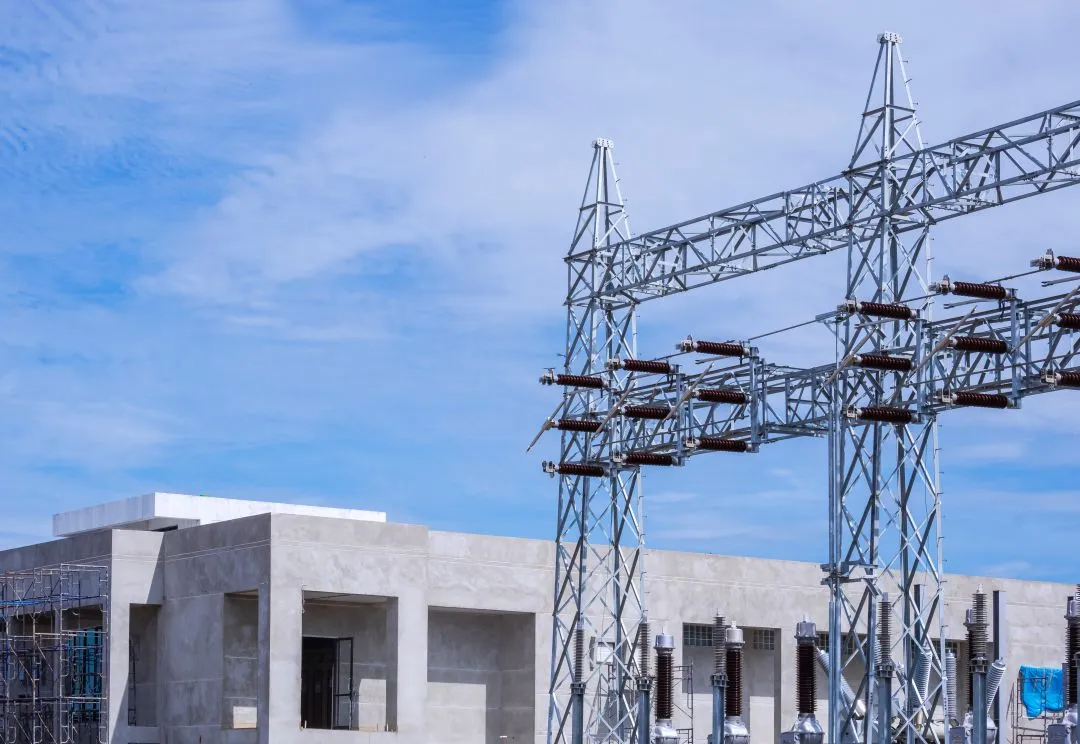
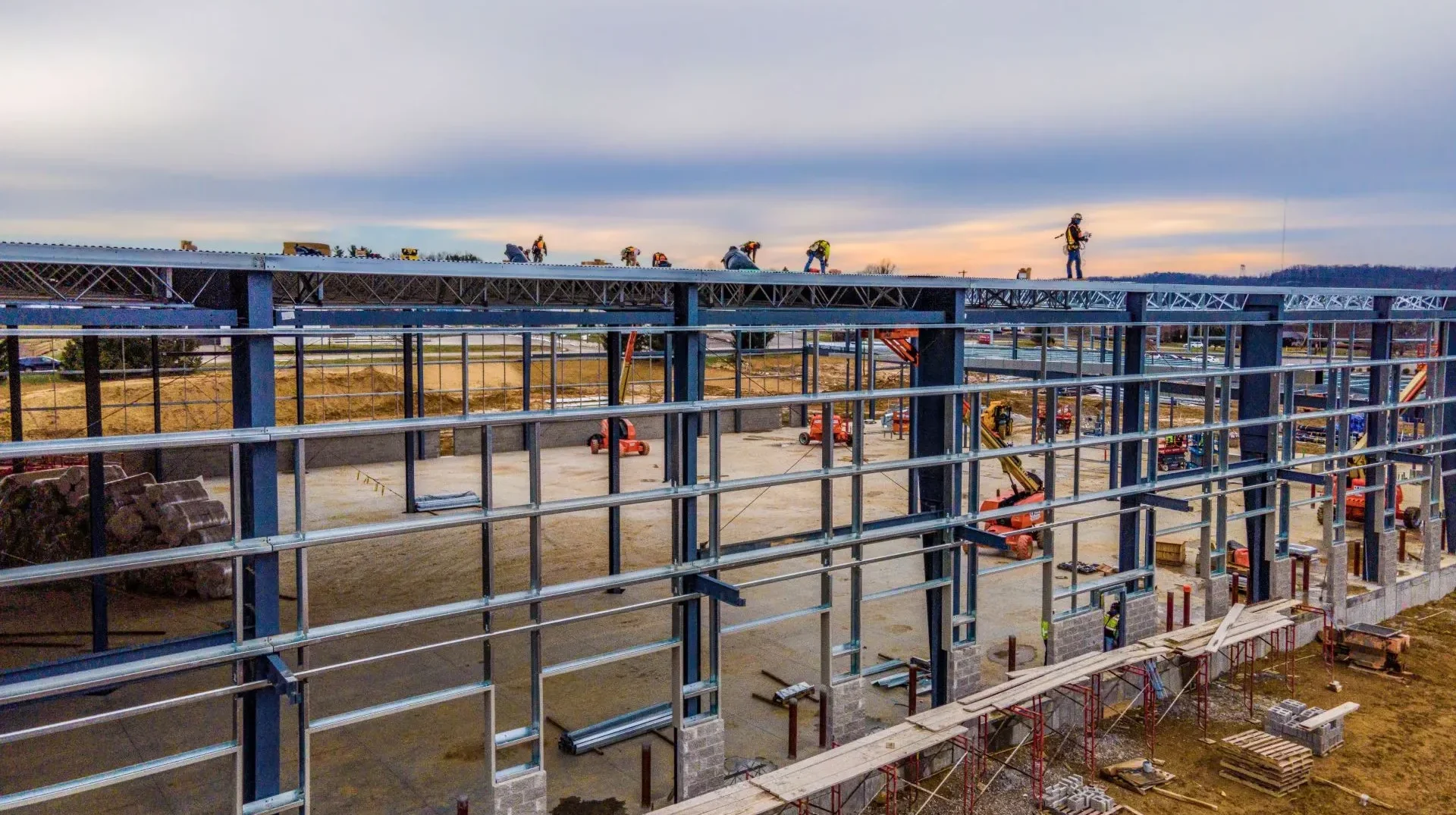
We offer comprehensive, turnkey substation construction and installation services
covering every phase of your project. From precision engineering design
and international-standard procurement to on-site construction and rigorous commissioning
and energization testing, we guarantee that your substation is fully operational, safe, and resilient.
Consult with us for free
📞 Tel: 02-246-9988
📩 Email: info@pwhthailand.com
🌐 Website: https://pwhthailand.com/th
🔵 Facebook: PWH Thailand – ผู้เชี่ยวชาญงานก่อสร้าง และพลังงานครบวงจร