Every project owner and industrial executive shares the same nightmare: runaway budgets, missed deadlines, and safety corners cut along the way. Building a factory or bringing a new substation online isn’t a small undertaking. It involves serious capital and a launch date the business can’t afford to miss. Get the choice wrong, and costs can spiral quickly. Here are 5 things to check before you sign with an industrial contractor to protect your project and investment, curated by PWH Thailand.
1. Look Past the Pitch: Check the Industrial Contractor Track Record
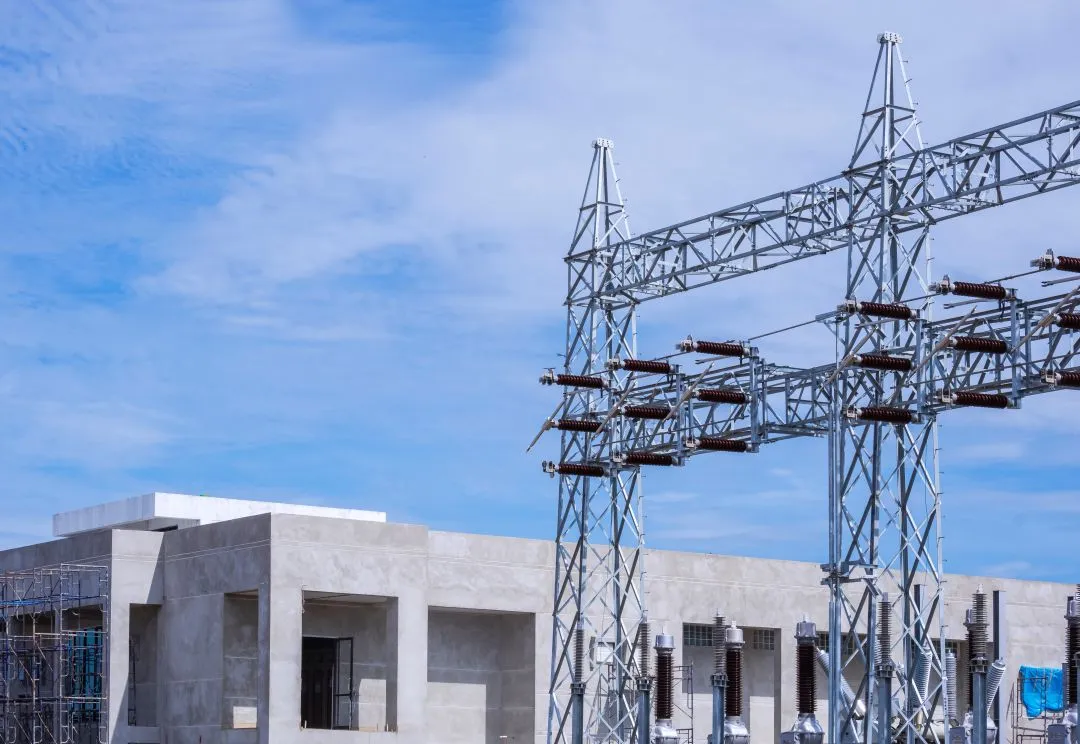
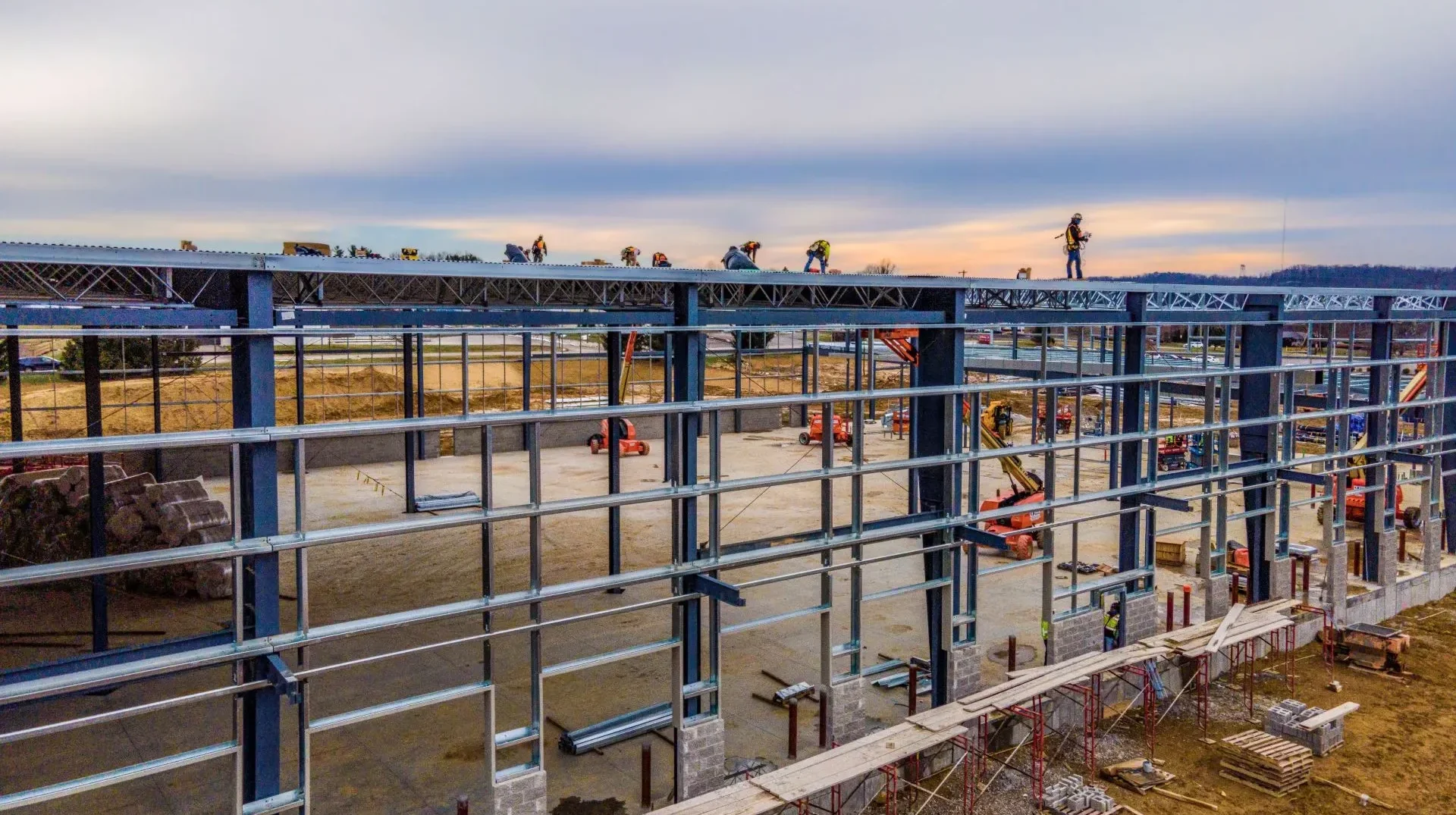
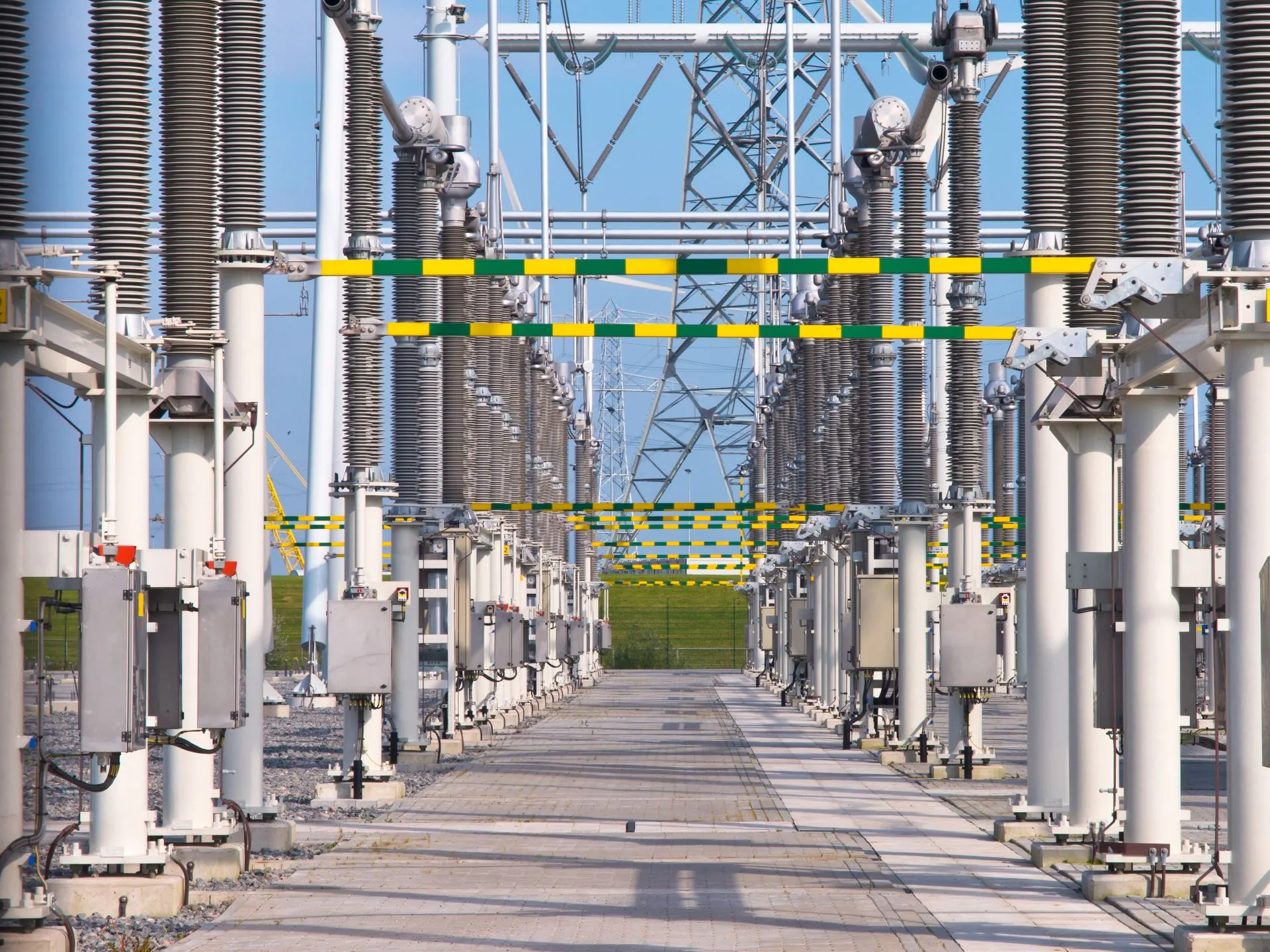
Ask to see work the contractor has actually completed, ideally something close to your own project: large-scale structural builds, electrical systems, substations, and the like. These job sites throw up problems nobody saw coming, which is exactly why experience matters so much. A qualified industrial contractor who has already navigated complex builds will know how to handle those curveballs without losing time or quality. Don’t stop there, though: confirm their engineering licenses and business registration are in order too, so you know the standards behind the work are real.
2. Don’t Just Compare Price: Read the B.O.Q. Line by Line
The cheapest quote isn’t automatically the best one, especially once construction materials and specialized equipment enter the picture. What you really want is a Bill of Quantities (BOQ) that spells everything out—materials, brands, equipment grades, labor—so you can judge whether the number actually adds up to the scope of work. A quote from an industrial contractor that is suspiciously low, or bundled together without detail, is a red flag worth taking seriously: it often means equipment gets quietly downgraded later, which compromises long-term safety.
3. Get the Contract Airtight
Scope of work needs to be spelled out in black and white, covering structural, electrical, and energy-related components, with payment tied to clear milestones and a construction timeline everyone’s agreed to. Warranty terms matter just as much: the contract should hold the industrial contractor to engineering specifications and require the system to pass safety testing before it’s ever handed over.
4. Lock Down the Terms Before You Sign
Pay for what’s actually done and verified, not just because a date on the calendar arrived. That’s the single biggest lever for keeping a large project’s budget in check. Start with a reasonable deposit, then ask for proof that labor and equipment suppliers have actually been paid before releasing any major installment, especially where specialty suppliers are involved. It’s a small habit that heads off a lot of trouble later, and keeps costs from creeping upward from day one.
5. Full-Service Expertise Matters More Than You Think
Industrial projects run on stable, well-integrated systems, whether that’s the foundation or the electrical and energy infrastructure sitting on top of it. Getting there often means juggling several sub-contractors on the same job, and that’s exactly where things tend to fall apart: a missed handoff or a miscommunication between teams can throw the whole project off.
That’s the case for working with a full-service industrial contractor who owns all four core phases under one roof: one team accountable for the whole outcome, not four.
-
Engineering: the design work
-
Procurement: sourcing materials and equipment
-
Construction: the actual build
-
Commissioning: testing everything before go-live
What separates a genuine expert from an ordinary contractor comes down to this: engineering precision backed by standards you can actually verify. Every handover should come with real testing and inspection, checking that equipment performs safely under real operating conditions, not just on paper, so the whole system works together the way it’s supposed to.
PWH Thailand: A Partner Invested in Your Project’s Success
An EPC partner is a different kind of hire altogether. For large industrial builds that demand rigorous testing before a facility ever goes live, it’s less about finding a contractor and more about finding someone to share the risk with, someone who can help ensure the finished facility runs safely, with minimal risk down the line.
PWH Thailand brings over 40 years as a leader in Construction & Energy Solutions, delivering End-to-End EPC services across structural work, substations, and clean energy, all in-house. Every project is held to the same standard: engineering-grade quality, safety that isn’t negotiable, and timelines that hold, so your business keeps moving forward with confidence.
Get a Free Consultation
📞 Tel: 02-246-9988
📩 Email: info@pwhthailand.com
🌐 Website: https://pwhthailand.com/th
🔵 Facebook: PWH Thailand – ผู้เชี่ยวชาญงานก่อสร้าง และพลังงานครบวงจร